Air-Cooled Diesel Engines run on airflow instead of liquid coolant, and that one design choice removes a whole category of maintenance headaches. There is no radiator to top up, no coolant line to check. For sites across India where water access is unreliable or dust is constant, Air-Cooled Diesel Engines have become the practical default rather than the backup option.
This blog covers how these engines cool themselves, where they get used, and what to weigh before buying one.
What Are Air-Cooled Diesel Engines?
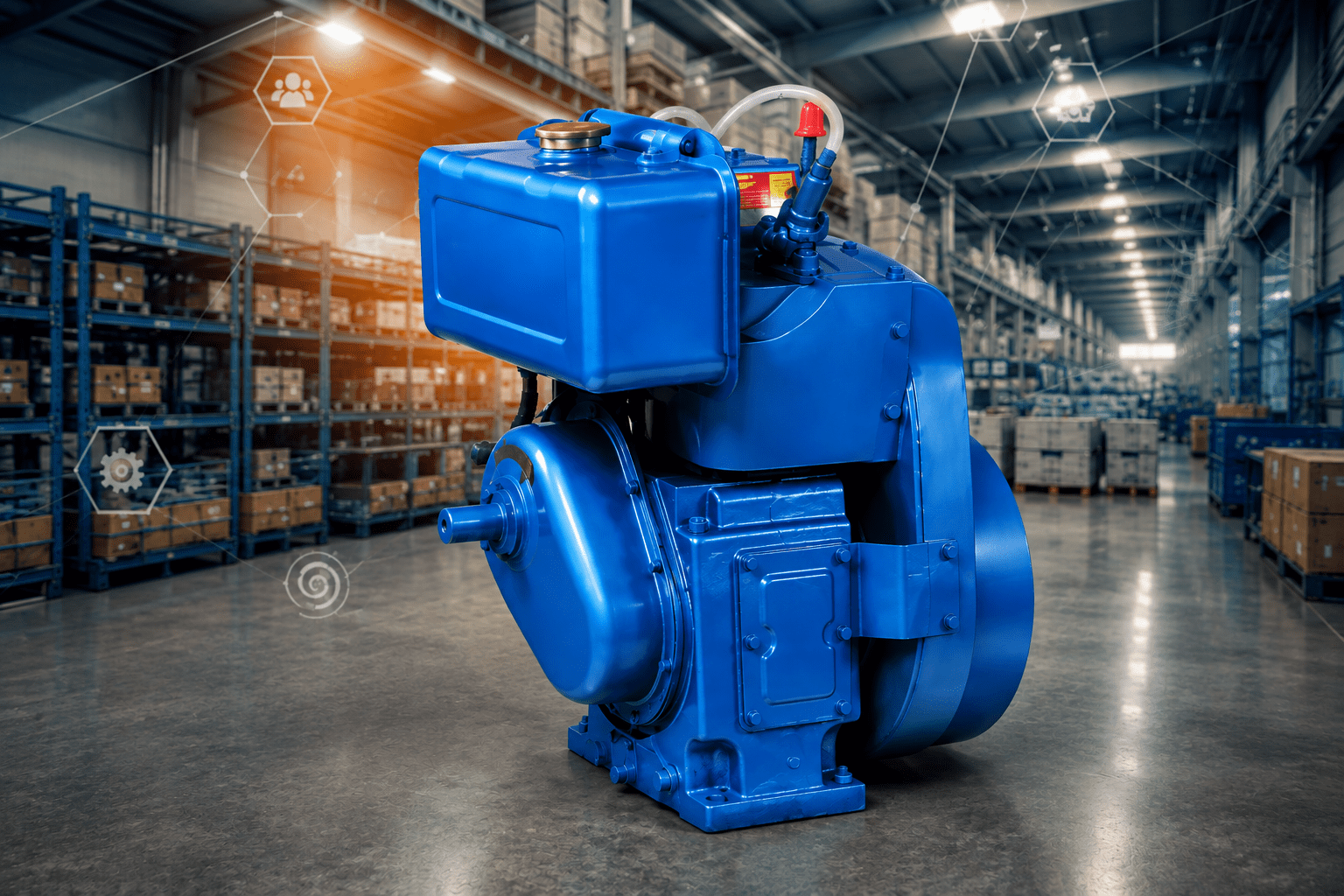
An Air-Cooled Diesel Engine is a diesel engine that cools itself using outside air pulled across the engine block, rather than water circulating through a radiator.
Metal fins run along the cylinder housing, and air moving over them carries heat away. Strip out the radiator, the water pump, and the coolant hoses, and what remains is a mechanically simpler machine.
A few things stand out about this design:
- Cooling fins do the heat dissipation work
- No radiator, no coolant loop, no water pump
- Fewer parts overall, which means fewer things to fix
- No risk of coolant leaking or freezing in winter
How Do Air-Cooled Diesel Engines Work?
Air-Cooled Diesel Engines push air across finned metal surfaces on the cylinder to draw heat out of the engine as it runs.
Combustion inside the cylinder produces heat. The fins increase the surface area exposed to air, so that heat has somewhere to go. A fan, usually driven off the engine itself, keeps a steady stream of air moving over those fins the entire time the engine runs.
That is the whole mechanism. No pump circulating fluid, no thermostat, just continuous airflow doing the cooling job.
Why Choose Air-Cooled Diesel Engines Over Water-Cooled Engines?
Air-Cooled Engines suit places where hauling water for coolant top-ups is inconvenient, or where freezing temperatures would crack a radiator.
Water-cooled engines run into problems that air-cooled ones simply do not face, such as corroded radiators and cracked hoses. Take away the water and that whole list of failure points disappears with it.
| Feature | Air-Cooled Diesel Engines | Water-Cooled Engines |
| Cooling Medium | Air | Water or coolant |
| Maintenance | Low | Moderate to high |
| Risk of Leakage | Minimal | Higher |
| Weight | Lighter | Heavier |
| Best Suited For | Remote or dusty sites | Continuous heavy-duty loads |
Where Are Air-Cooled Diesel Engines Used?
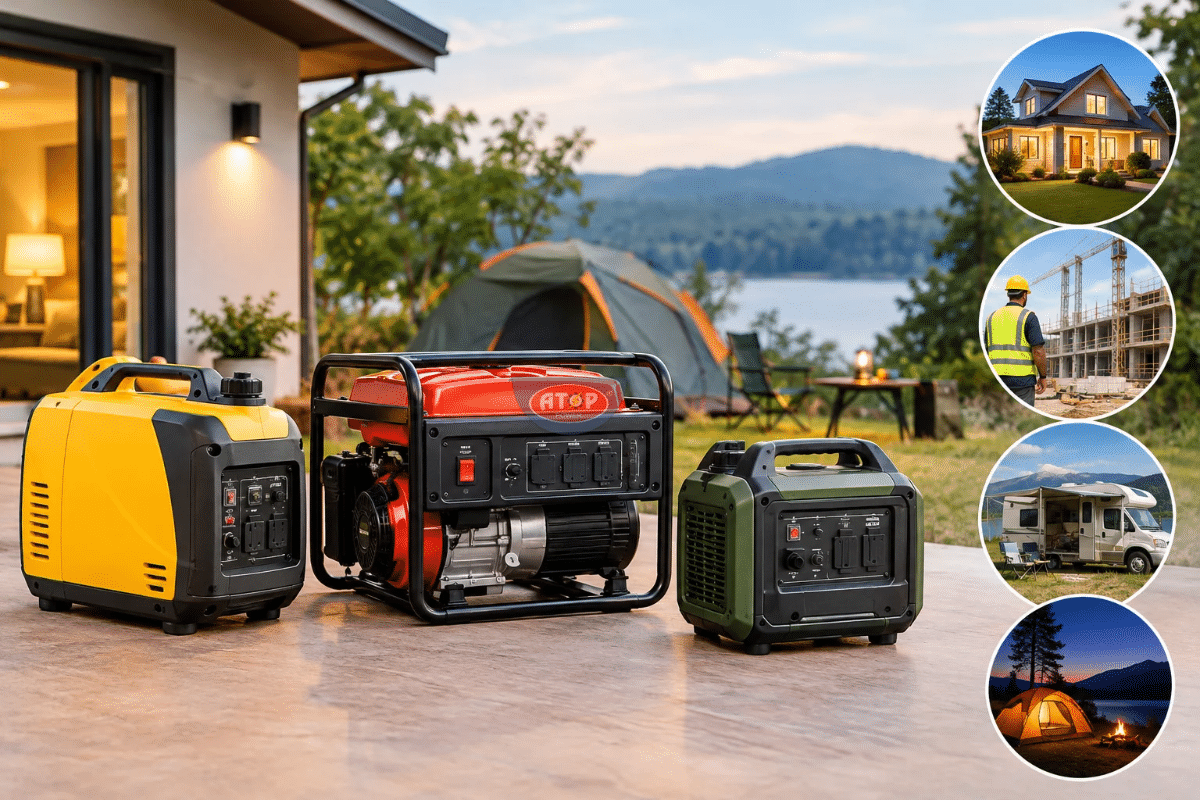
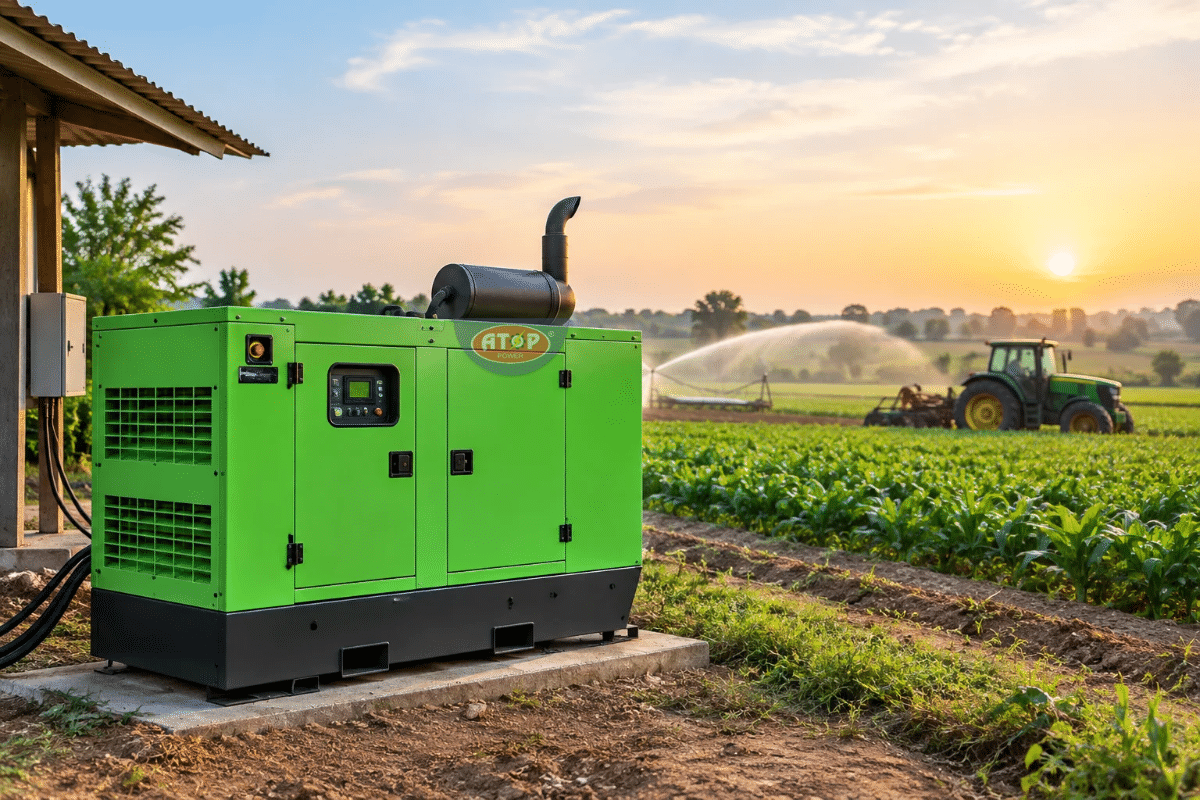
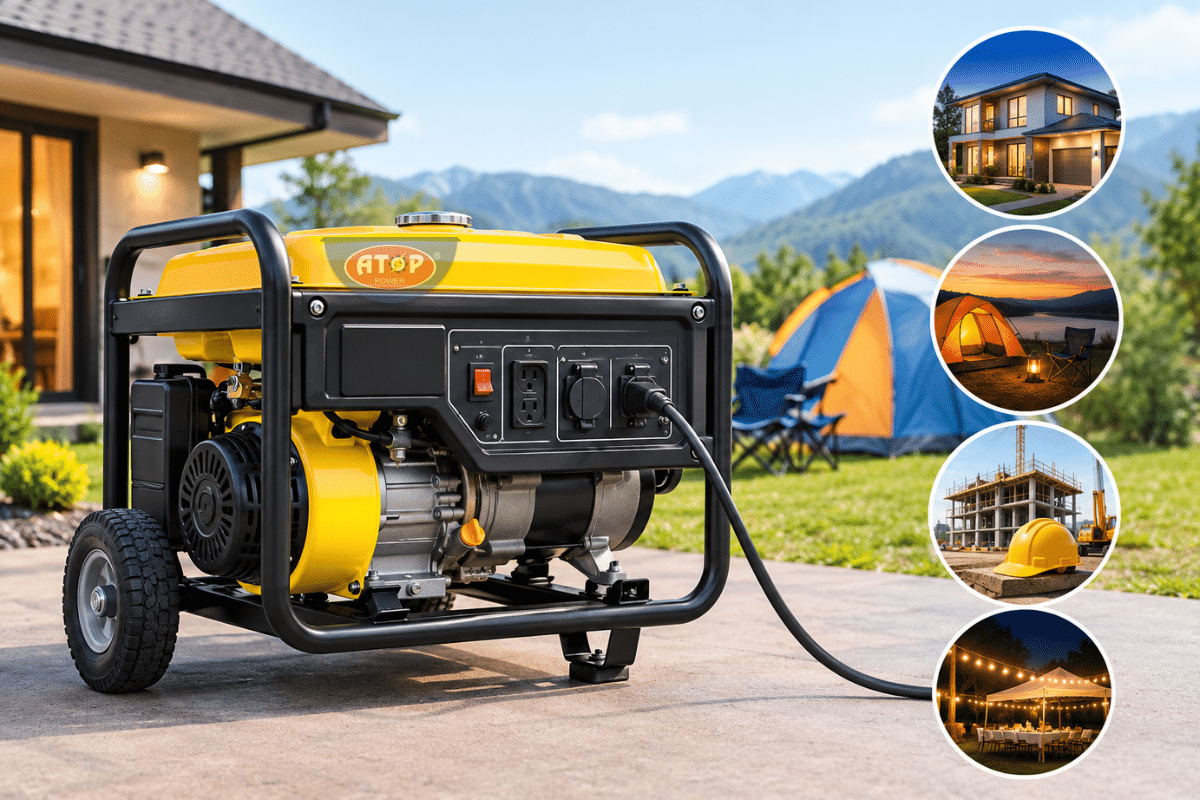
You will find Air-Cooled Diesel Engines in generators, irrigation pumps, construction machinery, and farm equipment across the country.
Wherever setup speed and low upkeep matter more than raw continuous output, this is the engine of choice:
- Portable and standby power generators
- Irrigation and water pumping systems
- Construction site equipment
- Small-scale industrial machinery
- Tractors and other farm tools
Being lighter than water-cooled units, they also suit equipment that gets moved between job sites often.
What Are the Benefits of Air-Cooled Diesel Engines?
Lower running costs, quicker cold starts, and steady performance in dusty conditions are why buyers pick Air-Cooled Engines.
Skip the coolant system and you skip a chunk of the servicing bill. Cold mornings are less of a problem too, since there is no coolant that needs warming up first.
- Lower servicing and upkeep costs over time
- No coolant to leak, freeze, or replace
- Lighter, more compact build
- Handles dust and heat without much fuss
- Fewer parts, which makes troubleshooting faster
What Maintenance Do Air-Cooled Diesel Engines Need?
Air-Cooled Engines mainly need clean cooling fins and oil changed on a regular schedule.
Dust builds up on those fins over time, and once airflow gets blocked, the engine runs hotter than it should. A quick wipe-down on a routine basis keeps that from becoming a problem.
- Clean the cooling fins and air filters
- Check oil levels and stick to the oil change schedule
- Look over the fan belt for cracking or wear
- Pay attention to exhaust smoke or unusual noise
How Do You Choose the Right Air-Cooled Diesel Engine?
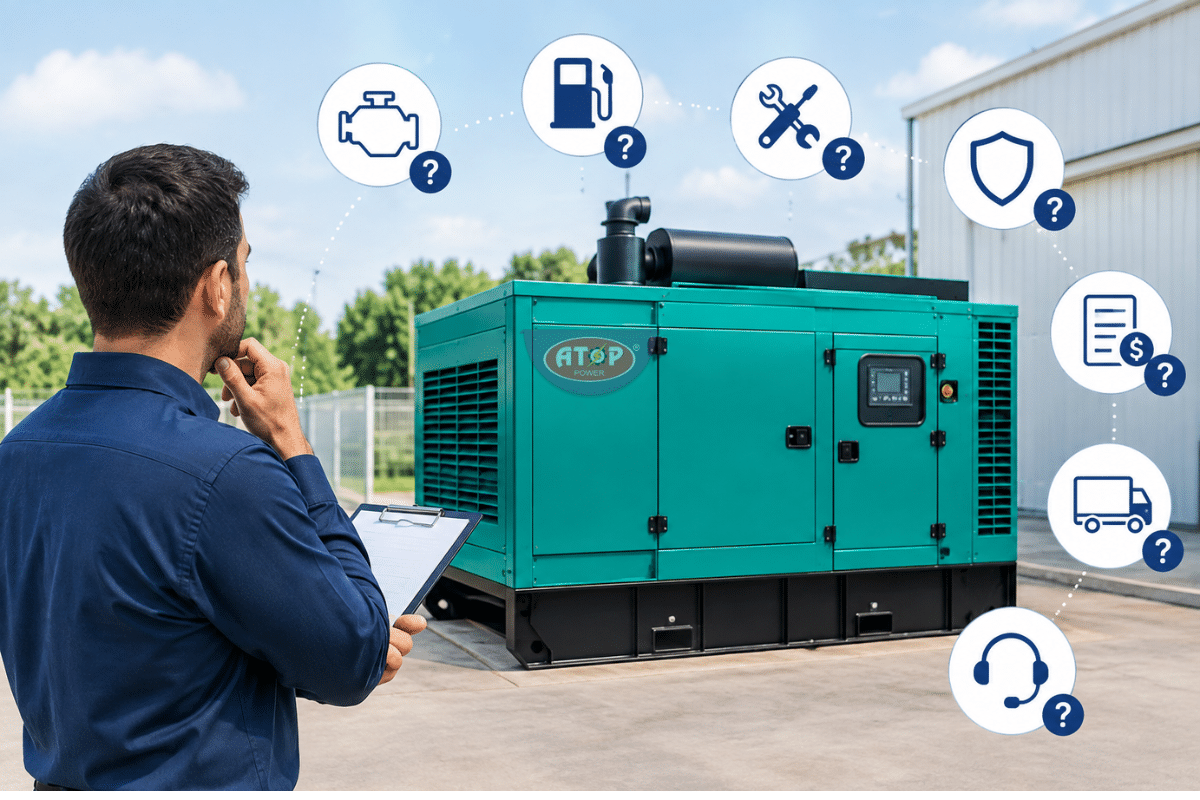
There is no single “best” Air-Cooled Diesel Engine. The right pick depends on how much power the job actually needs, how many hours a day it will run, and the kind of site it has to survive.
Start by working out load capacity first, since undersizing an engine causes more problems than almost anything else. Fuel consumption and noise levels matter too, especially near living quarters or offices. ATOP Generators has a decent lineup of air-cooled generator sets for industrial and commercial jobs, and their air-cooled generator set range is worth checking if you are still comparing options.
Frequently Asked Questions
1. Can Air-Cooled Diesel Engines handle continuous heavy-duty operation?
They handle moderate to heavy loads fine, though extremely high loads suit water-cooled engines better.
2. Do Air-Cooled Diesel Engines need coolant at all?
No. Airflow across the cooling fins does the job that coolant would otherwise do.
3. How many years do Air-Cooled Diesel Engines usually last?
With regular fin cleaning and oil changes, many run reliably for years, depending on usage patterns.
4. Are Air-Cooled Diesel Engines louder than water-cooled ones?
Generally yes, mostly because of the cooling fan and the lack of any sound-dampening coolant jacket.
5. Do Air-Cooled Diesel Engines cope well with extreme heat?
Yes, the fin-based design is built specifically to keep performing in high-temperature conditions.