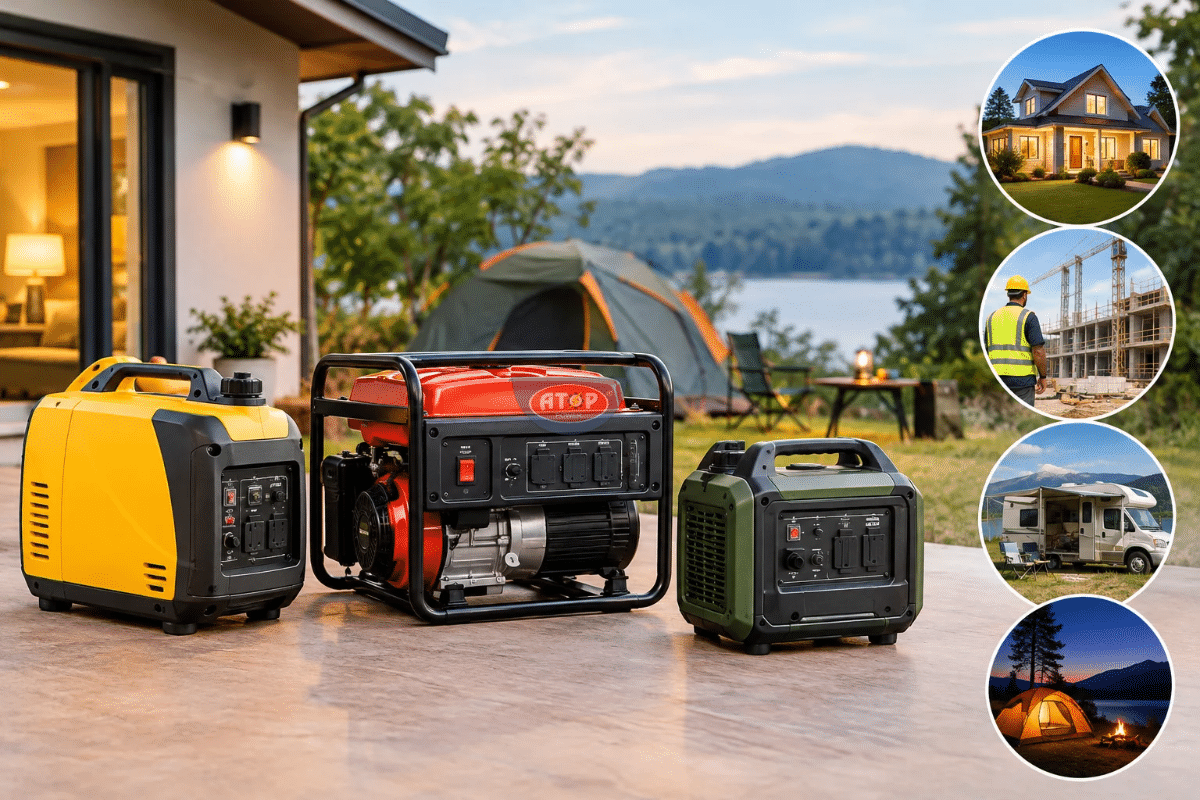
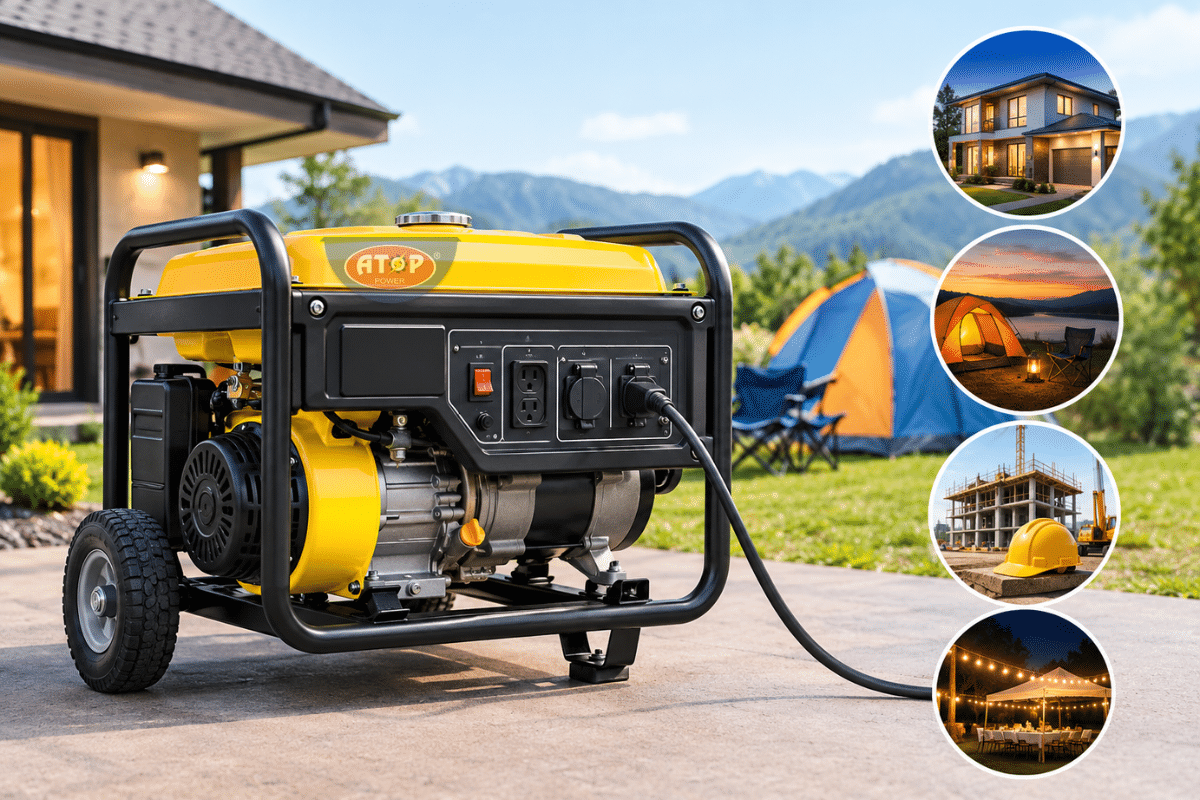
A portable generator gives you backup electricity wherever you need it, during a power cut at home, on a construction site, or at an outdoor event, without any fixed wiring involved. This guide covers what actually makes a portable generator worth the money, what to check before buying, and where these machines get used in practice.
Power cuts don’t check the calendar first. Neither does a construction deadline, or a wedding that’s already been planned for months. That’s really why portable generator demand keeps rising steadily across Indian homes and businesses.
Here’s a full breakdown of features, benefits, types, applications, and what to look at before buying one.
What Makes a Portable Generator Different from Standby Generators?
Mobility. That’s basically the whole difference. A portable generator moves wherever the power is needed, while a standby unit stays bolted to one spot, wired permanently into a building’s electrical system.
Standby generators switch on by themselves the moment power goes out. A portable generator, on the other hand, needs someone to start it and position it manually. In exchange, it costs less and can go anywhere the job takes it.
Construction crews shift sites often, sometimes every few weeks. A fixed generator makes zero sense in that situation. One portable unit, multiple locations, no reinstallation drama each time.
Homeowners lean toward portable units too, mostly because of the lower upfront cost and the flexibility of running one outdoors whenever it’s actually needed.
What Features Should You Look for in a Portable Generator?
Fuel type, power output, noise level, run time. Four things, really, and they decide whether a portable generator fits your situation or ends up gathering dust in a storeroom.
- Fuel type: Petrol, diesel, or dual-fuel, each with a different running cost
- Power output: Measured in kVA or kW, and it needs to match what your appliances actually draw
- Noise level: Lower decibel ratings matter a lot for residential areas or indoor events
- Run time per tank: Longer run time means fewer interruptions for refuelling
Inverter-based portable generators also tend to give cleaner power output. That matters more than people expect when running laptops or anything medical-grade.
How Do Portable Generators Benefit Homes and Businesses?
Uninterrupted power, protected equipment, and the freedom to use one machine across different locations. Those are the three benefits that show up first.
Every hour without power is lost revenue for a small business. A portable generator keeps the billing counter running, the fridge cold, the lights on, so the shutdown doesn’t spread past the grid itself.
|
Benefit |
Impact |
|
Backup during outages |
Keeps essential appliances running |
|
Equipment protection |
Prevents damage from sudden power loss |
| Mobility |
Same unit usable across multiple sites |
| Lower installation cost |
No wiring or permanent setup needed |
Homes see the same pattern. Fans, lighting, the refrigerator, all of it keeps working through even a long outage, and without the expense of a full standby system sitting idle most of the year.
Where Are Portable Generators Commonly Used?
Construction sites, outdoor events, farms, and home backup. Four places where a portable generator shows up again and again across Indian markets.
Power tools need electricity even where the grid hasn’t reached yet, which is basically every second construction site. Weddings and outdoor functions need lighting and sound running for hours, often in fields with no nearby connection at all.
- Construction sites running power tools without grid access
- Outdoor weddings and events needing lighting and sound systems
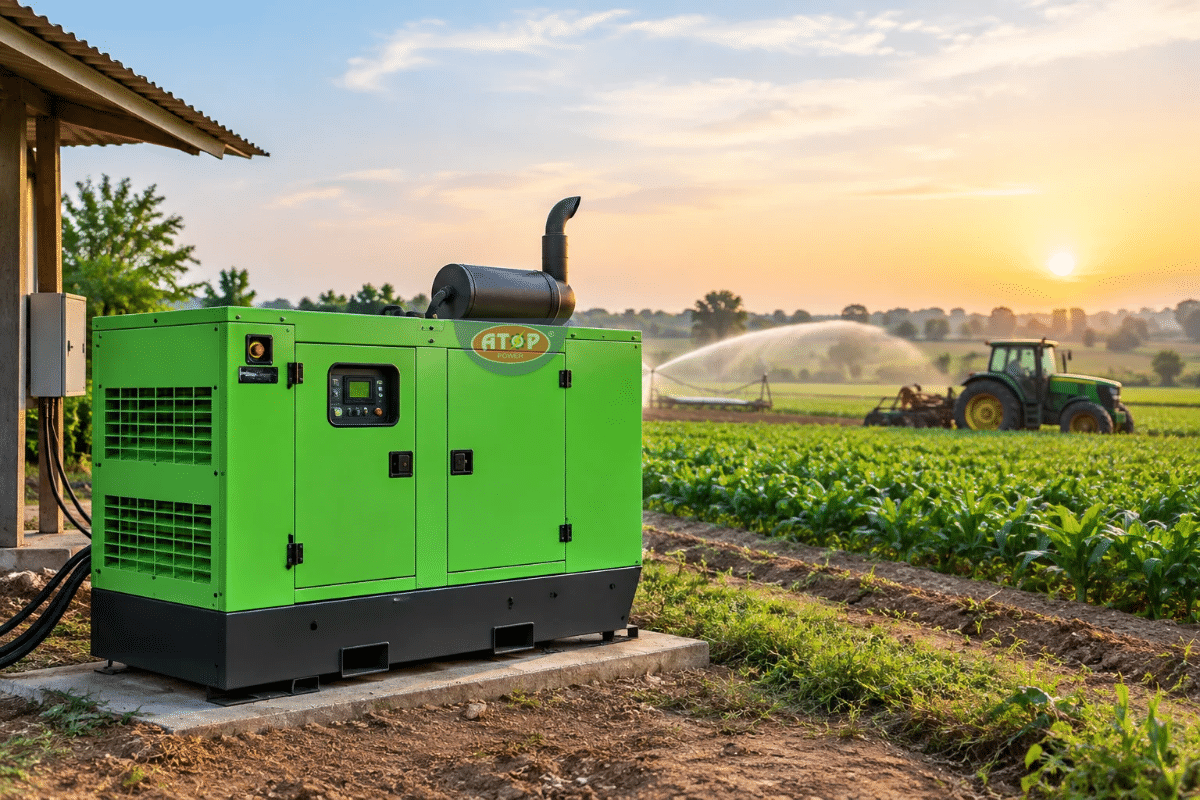
- Farms operating irrigation pumps where electricity supply stays unreliable
- Households needing backup during monsoon-related outages
- Film shoots and outdoor productions requiring an independent power source
Each of these situations calls for a different power capacity. Matching output to the actual load matters, otherwise you’re either underpowered or burning fuel for no reason.
How Do You Choose the Right Portable Generator for Your Needs?
Work out your total load first. Then match it against a generator’s rated output, and leave a bit of margin for the startup surge that motors and compressors tend to draw.
- List every appliance or tool that needs to run at the same time
- Add up their wattage requirements
- Pick a portable generator rated a little above that total
- Check fuel availability and consumption in your area
Most buyers skip the load calculation step entirely, and that’s usually how they end up either overspending on capacity they don’t need, or buying a unit that trips the moment real load hits it.
For anyone exploring reliable options, Portable Generator ranges cover a fair spread of power capacities for different applications.
Who Manufactures Reliable Portable Generators in India?
Build quality, service support, and fuel efficiency. These three things separate a portable generator that lasts years from one that gives up within twelve months.
Not every portable generator sold in the market comes from a manufacturer with an actual service network behind it. Spare parts, warranty terms, technician availability- all of this matters just as much as the machine’s specs on paper.
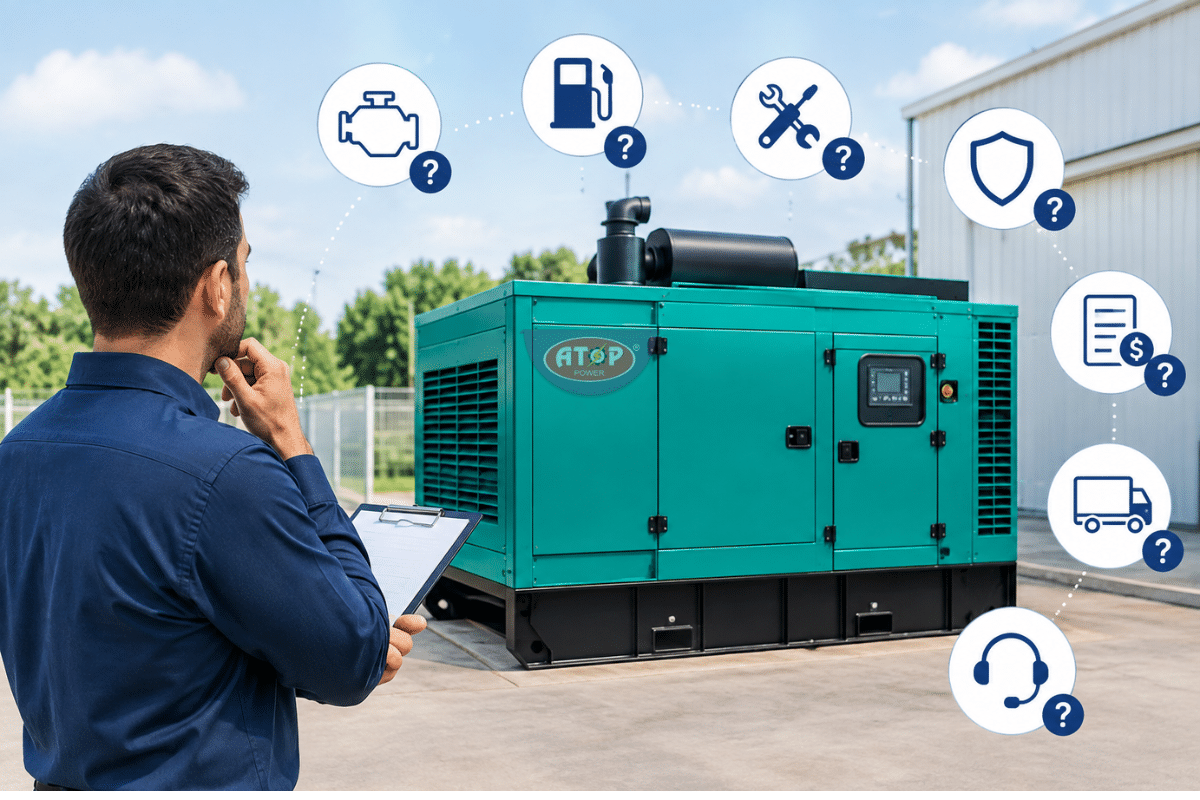
Before buying, it’s worth checking a few things:
- How long the warranty runs, and what it actually covers
- Whether service centers exist near your location
- What other buyers with similar load needs are saying
- Whether spare parts are easy to find locally
Going with established portable generator manufacturers usually means fewer surprises later, and quicker fixes on the rare occasion something does go wrong.
Frequently Asked Questions
How long can a portable generator run continuously?
Most portable generators run between 6 and 12 hours per tank, depending on fuel type and load.
Is a portable generator safe to use indoors?
No, portable generators should always run outdoors or in well-ventilated spaces because of exhaust fumes.
What size portable generator do I need for home backup?
A 2 to 5 kVA portable generator usually covers essential home appliances like lights, fans, and a refrigerator.
Do portable generators require regular maintenance?
Yes, regular oil changes, filter checks, and spark plug inspection keep a portable generator running reliably.
Can a portable generator run on both petrol and diesel?
Some dual-fuel models can, but most portable generators are built for one specific fuel type.
Contact us on WhatsApp today for more details and expert assistance!