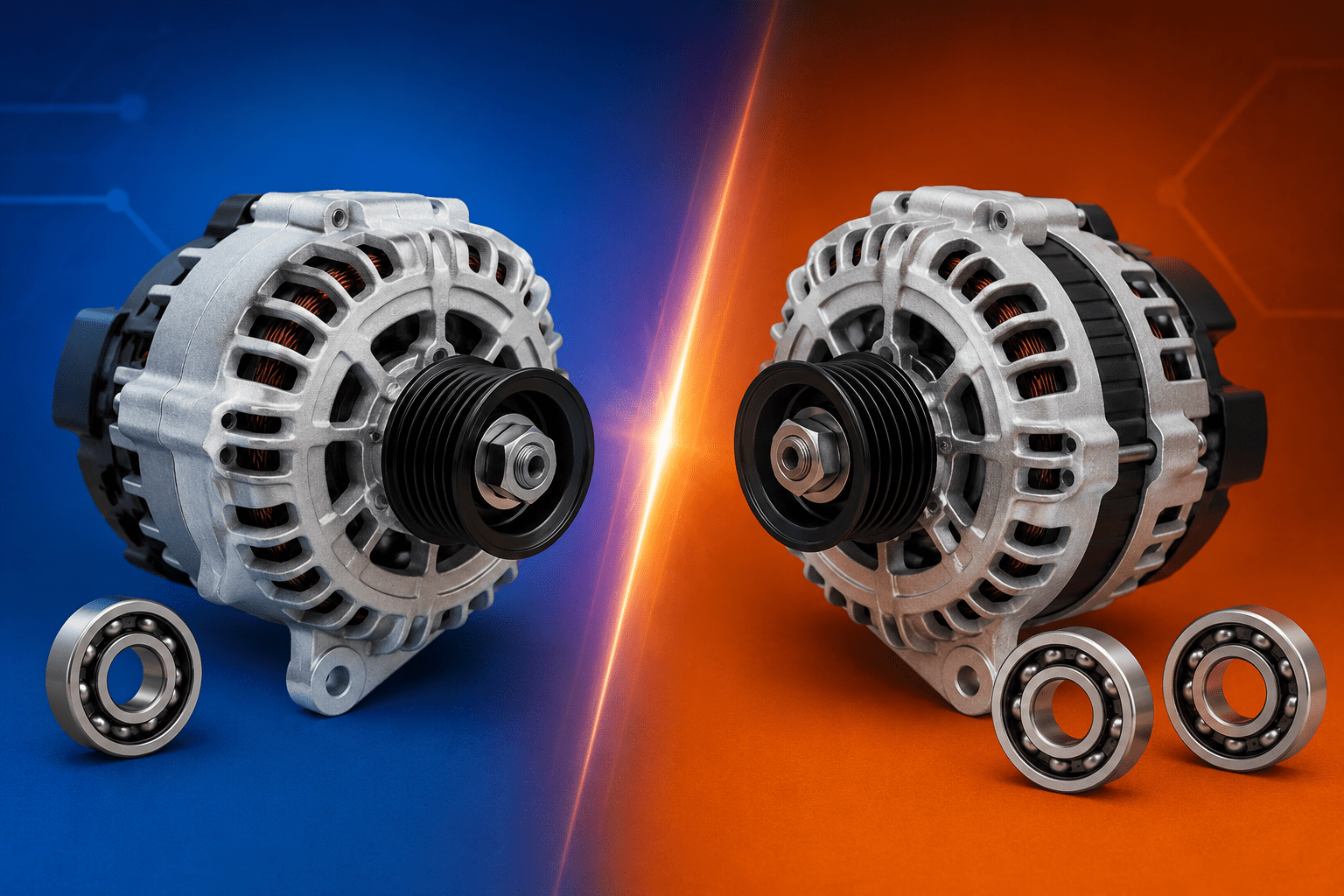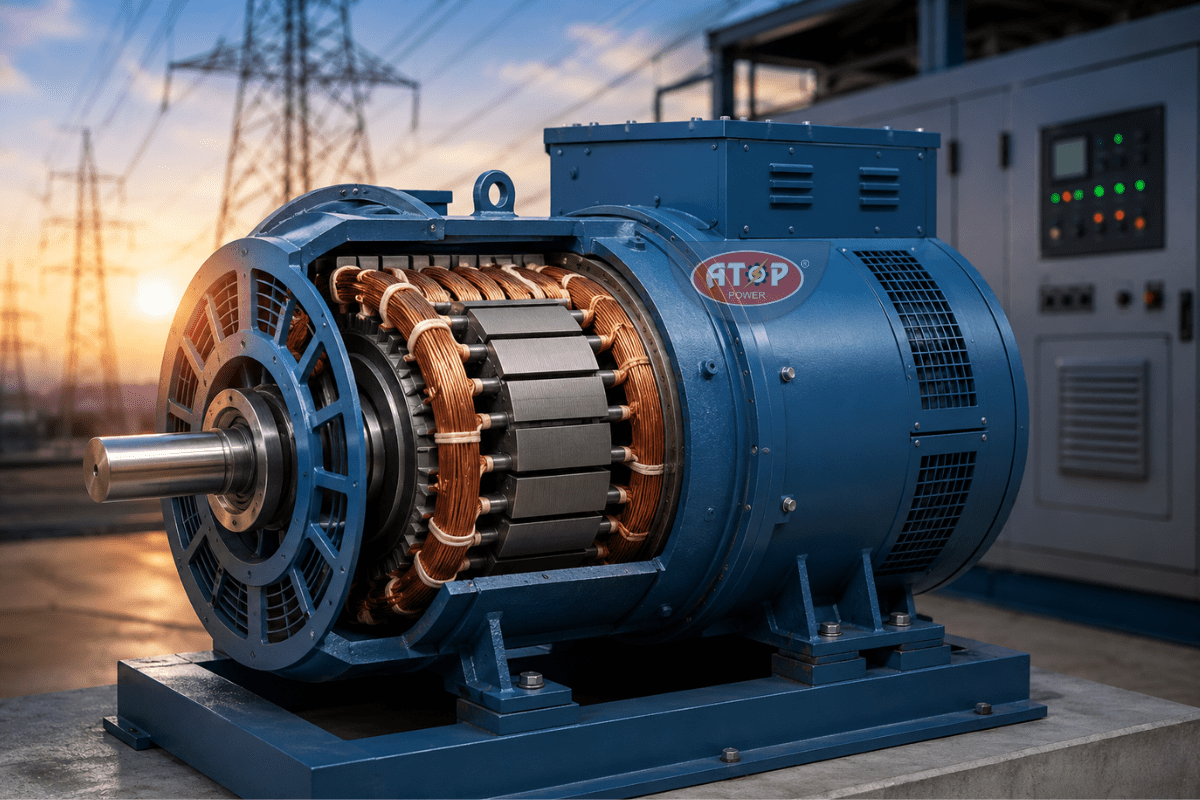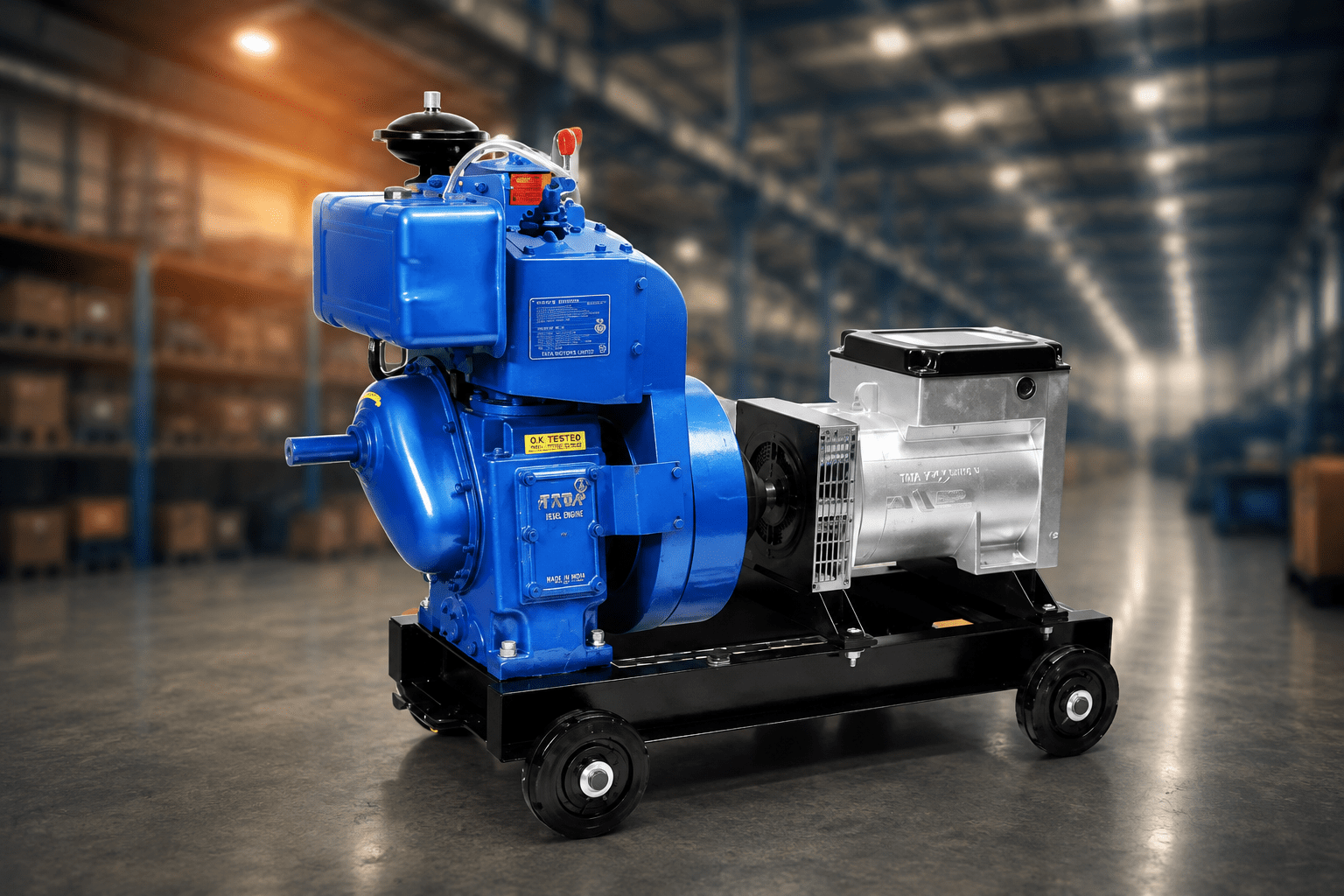
An Alternator Manufacturer owns the entire process – design, materials, testing, all of it – while a generic supplier mostly just stocks whatever’s sitting in a warehouse and ships it out. That one gap ends up explaining nearly everything else down the line.
A factory’s backup generator trips during an outage, and the replacement alternator picked up cheaply from a local supplier dies within a few months. They switch over to a direct Alternator Manufacturer afterward, and the repeat failures just stop happening. That’s basically the whole comparison in one example.
What Does an Alternator Manufacturer Actually Do?
An Alternator Manufacturer stays involved from the very first material decision all the way through final testing before a unit ever leaves the floor.
Because of that, they actually know what went into the product and can stand behind it with real warranty backing, not a vague promise. A generic supplier rarely has that depth – they’re stocking and reselling something built somewhere else, with limited insight into how it was actually put together.
- Control over design and material choices from the start
- In-house testing happens before anything ships
- Direct accountability when something doesn’t perform
- Engineering help available for custom builds
How Are Generic Suppliers Different from an Alternator Manufacturer?
A generic supplier works closer to a middleman role, buying stock in bulk and moving it forward without much hand in how the product was actually engineered.
An Alternator Manufacturer, on the other hand, sees the winding quality, the design choices, the testing data, all of it firsthand. That difference shows up fast once something goes wrong – a manufacturer can trace the problem to its root, while a supplier usually just forwards the complaint upstream and waits.
Why Does Buying Directly from an Alternator Manufacturer Matter?
Going straight to an Alternator Manufacturer removes a layer of guesswork that tends to come with reselling, particularly around build quality and how warranty claims actually play out.
Buying direct means there’s one clear party responsible if something underperforms. Suppliers struggle here more often than not, simply because they weren’t part of the manufacturing process and have less leverage to actually fix a problem.
For complete power-generation solutions, explore our alternator generator range built for reliable industrial and commercial applications.
How Does Quality Compare Between an Alternator Manufacturer and Generic Suppliers?
| Factor | Alternator Manufacturer | Generic Supplier |
| Quality Control | Checked in-house at every stage | Relies on someone else’s standards |
| Customization | Built around actual use case | Mostly stock options only |
| Warranty Support | Direct and clear | Passed through, often vague |
| Technical Knowledge | Deep, product-specific | Surface-level, mostly spec sheets |
| Pricing | Competitive, especially at scale | Margin added over base cost |
For anyone who needs the unit running reliably for years rather than months, this comparison usually makes the choice fairly obvious.
What Are the Benefits of Choosing an Alternator Manufacturer Over a Supplier?
A few things stand out when comparing an Alternator Manufacturer against a generic supplier, especially once heavy industrial use enters the picture.
- Specifications customized to the actual load
- More reliable long-term, since manufacturing standards are tightly controlled
- Real technical support available when troubleshooting comes up
- Often cheaper than going through a middleman, at volume anyway
- Clear accountability when something underperforms
What Should Buyers Check Before Choosing Between the Two?
Before settling on either an Alternator Manufacturer or a generic supplier, it helps to dig into how transparent they are, what the warranty actually covers, and what support looks like after the sale.
- Ask plainly whether the unit’s built in-house or sourced from elsewhere
- Read the warranty terms and ask how claims get processed, not just whether one exists
- Check that spare parts and ongoing support are actually available
- Weigh the price against how much customization is genuinely needed
Skip this step, and it’s easy to assume both options are roughly the same product – when really, the build quality and support behind them can be worlds apart.
Why Does This Difference Matter for Long-Term Industrial Use?
Industrial setups run alternators almost nonstop, often under serious load, and that’s exactly where the gap between a real Alternator Manufacturer and a generic supplier becomes obvious.
A manufacturer-built unit tends to hold up better under that kind of demand, mainly because it was engineered and tested for it from day one. Supplier stock might run fine at the start, but cracks tend to show up sooner, often in winding quality or bearing life, well before anyone expects it.
Picking the right source early on usually ends up saving a lot more in downtime and replacement costs than whatever gets saved by going generic upfront.
Choose a trusted alternator manufacturer for dependable quality, tailored specifications, and direct technical support.
FAQs
What’s the core difference between an Alternator Manufacturer and a generic supplier?
A manufacturer builds and tests in-house, while a supplier typically resells stock sourced elsewhere.
Does buying from a manufacturer always cost more?
Not really – manufacturers are often more competitive on price, especially for bulk or industrial orders.
Can a manufacturer build a customized alternator?
Yes, specifications can usually be adjusted to fit actual load and application needs.
Why does warranty support differ between the two?
A manufacturer backs the warranty directly, while a supplier’s coverage usually depends on the original maker’s terms.
Which option suits continuous, industrial-scale use better?
A direct Alternator Manufacturer is generally the safer pick for demanding, long-term industrial use.