Picking the wrong engine type is the kind of mistake that doesn’t show up on day one. It shows up six months later – when the machine keeps running hot, or the maintenance bill is bigger than expected, or the thing just isn’t built for the work you’re throwing at it.
So if you’re looking at an air cooled diesel engine and wondering whether it’s the right call, this is worth reading before you commit.
First, What Actually Makes It “Air Cooled”?
Most people assume diesel engines all work the same way under the hood. They don’t.
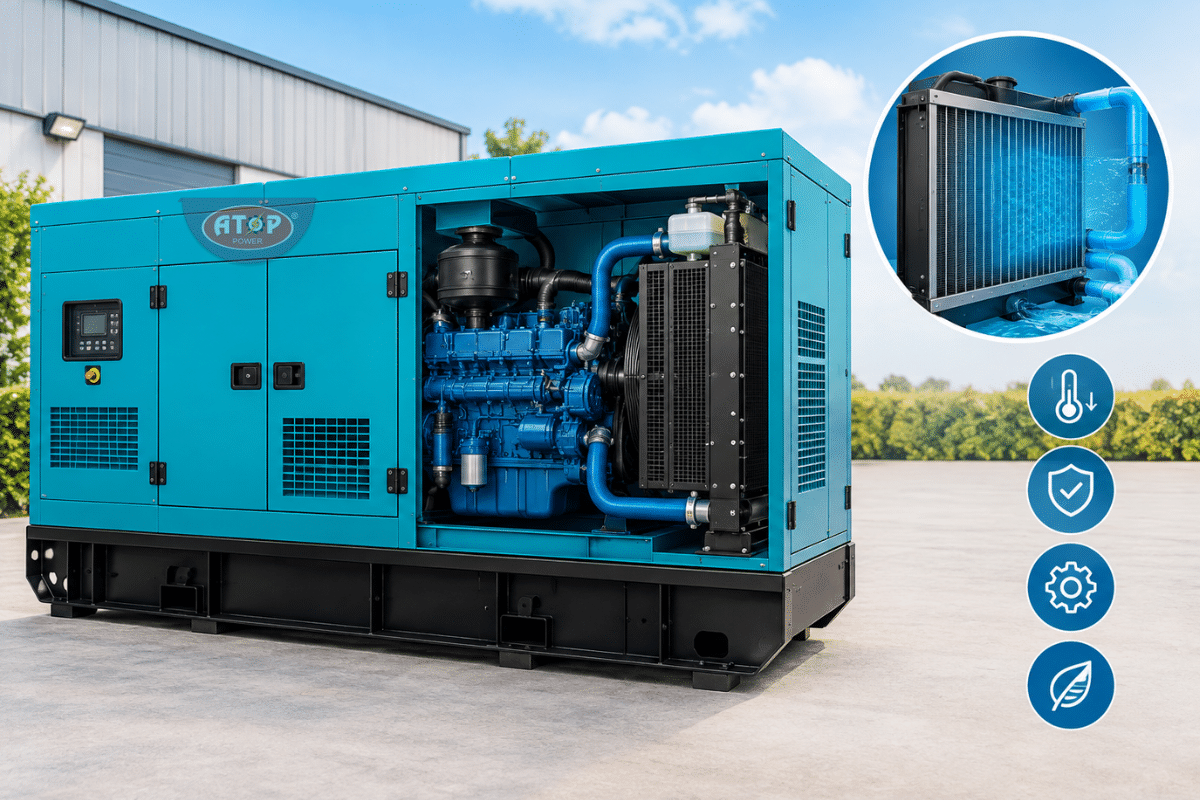
A standard water cooled engine circulates liquid coolant through channels inside the engine block, pulls heat away from the cylinders, then pushes that hot coolant through a radiator to cool back down – essentially the same setup as a car engine. It works well, but it comes with a lot of moving parts and things that can go wrong.
An air cooled diesel engine takes a completely different approach. Look at the outside of one and you’ll notice ridged metal fins running along the cylinder block and head. Those fins exist for one reason: surface area. A fan blows air across them constantly while the engine runs, and that airflow carries the heat away.
No coolant. No radiator. No water pump. No hoses. The engine sheds heat through metal and moving air – nothing more.
It’s a genuinely elegant solution for the right situation. The question is whether your situation is the right one.
What an Air Cooled Diesel Engine Does Well
The maintenance is refreshingly simple
Talk to anyone who’s owned both types and this usually comes up first. With an air cooled engine, there’s no coolant level to check, no flush-and-fill service to schedule, no thermostat to replace, no radiator to inspect for leaks or blockages. The cooling system basically takes care of itself as long as the fins stay clean and the fan keeps spinning.
For equipment that lives on a farm, a remote job site, or anywhere that a mechanic isn’t just around the corner, that kind of simplicity has real value. Fewer parts means fewer things waiting to fail at the worst possible moment.
It costs less – upfront and over time
Simpler engineering means cheaper to build, and that shows up in the purchase price. Air cooled diesel engines generally cost less than comparable water cooled units, and spare parts tend to be more affordable too. If you’re working within a tight budget and the application fits, the savings are meaningful.
Cold weather doesn’t bother it
Water cooled engines need antifreeze, and even then, cold weather creates risks – frozen coolant, cracked hoses, a system that takes ages to warm up properly. Air cooled engines don’t have any of that to worry about. Cold air is still air. The engine starts up and gets to work without the fuss.
That makes air cooled diesels a solid choice for high-altitude environments, winter applications, or anywhere cold snaps are a regular occurrence.
It warms up fast
Without a mass of liquid coolant to bring up to temperature, air cooled engines reach operating temperature quickly. That’s worth something in applications with a lot of start-stop cycles – less time idling, less fuel wasted during warm-up, less wear on cold engine components.
It’s compact and easy to fit
Strip out the radiator, the coolant reservoir, the water pump, and all the associated plumbing, and you end up with an engine that’s noticeably lighter and more compact. That matters when you’re fitting it into a portable generator, a small tractor, or a piece of equipment where space is tight.
Where Air Cooled Diesel Engines Fall Short
Sustained heavy load is where they struggle
This is the limitation that catches people off guard. Air cooling works fine when the engine isn’t being flogged continuously. But if you’re running a generator at full capacity for hours, or operating heavy machinery all day in summer heat, air cooling can genuinely struggle to keep up.
Heat builds faster than the fins and fan can shed it. The engine runs hotter than it should. Over time, that takes a toll on pistons, rings, cylinder walls – the components that determine how long the engine actually lasts.
Water cooled engines handle this kind of sustained thermal load much better. That’s why you’ll find them in hospitals, factories, data centres – anywhere that power needs to stay on and the engine needs to run hard for long periods.
They’re loud
The cooling fan makes noise. On a quiet day in a quiet location, an air cooled diesel engine is noticeably louder than a water cooled one. If that’s happening next to a residential building, in a noise-sensitive workplace, or anywhere the sound is going to cause problems – it matters.
Hot climates are harder on them
Air cooling depends on the ambient air being cool enough to do the job. When it’s 45°C outside and the engine is sitting in a poorly ventilated space, the cooling efficiency drops off. The engine runs hotter, performance dips, and component wear goes up.
Water cooled systems are far less affected by outside temperature because they manage heat internally. In consistently hot climates, that’s a real advantage.
Higher power outputs aren’t really on the table
Most air cooled diesel engines sit in the lower to mid power range. Once you start looking at serious industrial applications – large generator sets, heavy plant equipment, continuous factory power – liquid cooling is simply the standard. There’s a reason you rarely see air cooled diesel engines above 50–60 kW. The physics of air cooling doesn’t scale well to those demands.
They run hotter by nature
Even under normal working conditions, air cooled engines operate at higher temperatures than liquid cooled equivalents. That’s not immediately dangerous, but it does mean more heat stress on engine components over the long term. Properly maintained, it’s manageable – but it’s something to factor in when thinking about total lifespan.
So, Who Should Actually Buy One?
An air cooled diesel engine is a practical, cost-effective choice when the work is intermittent, the location is remote, the budget is real, and continuous heavy-duty performance isn’t what’s needed.
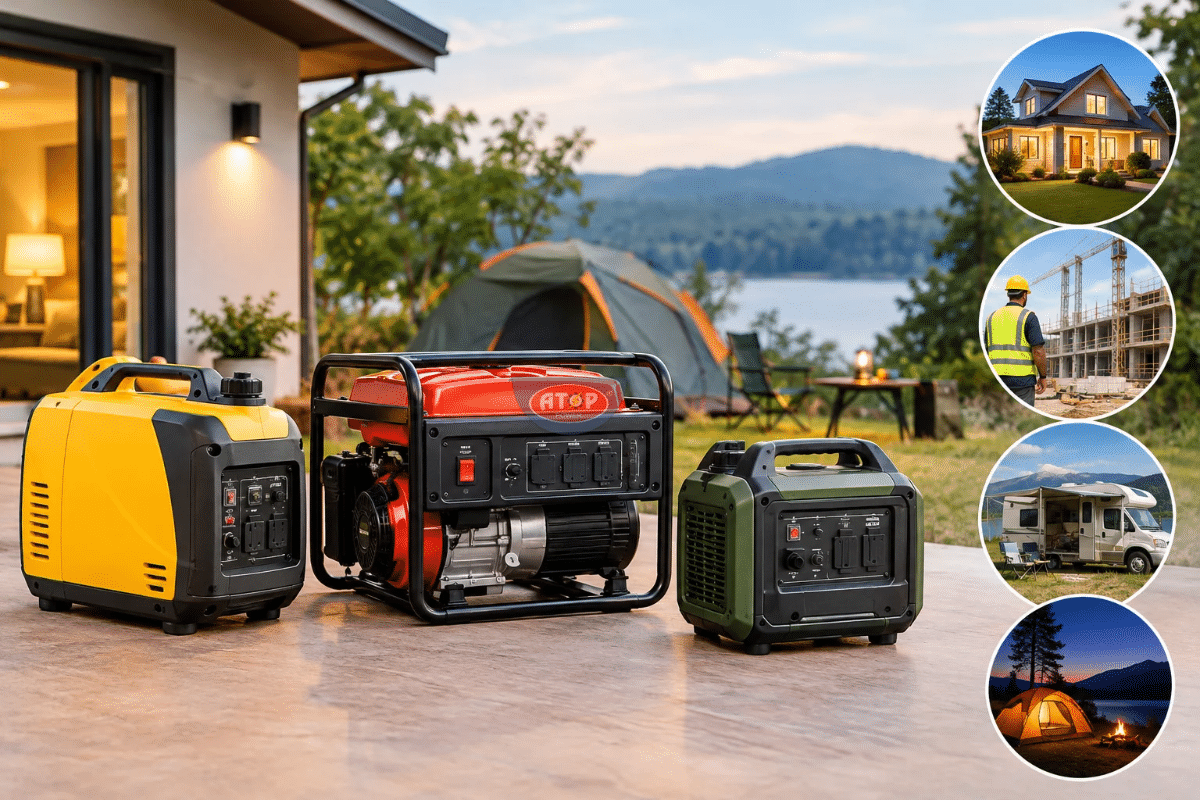
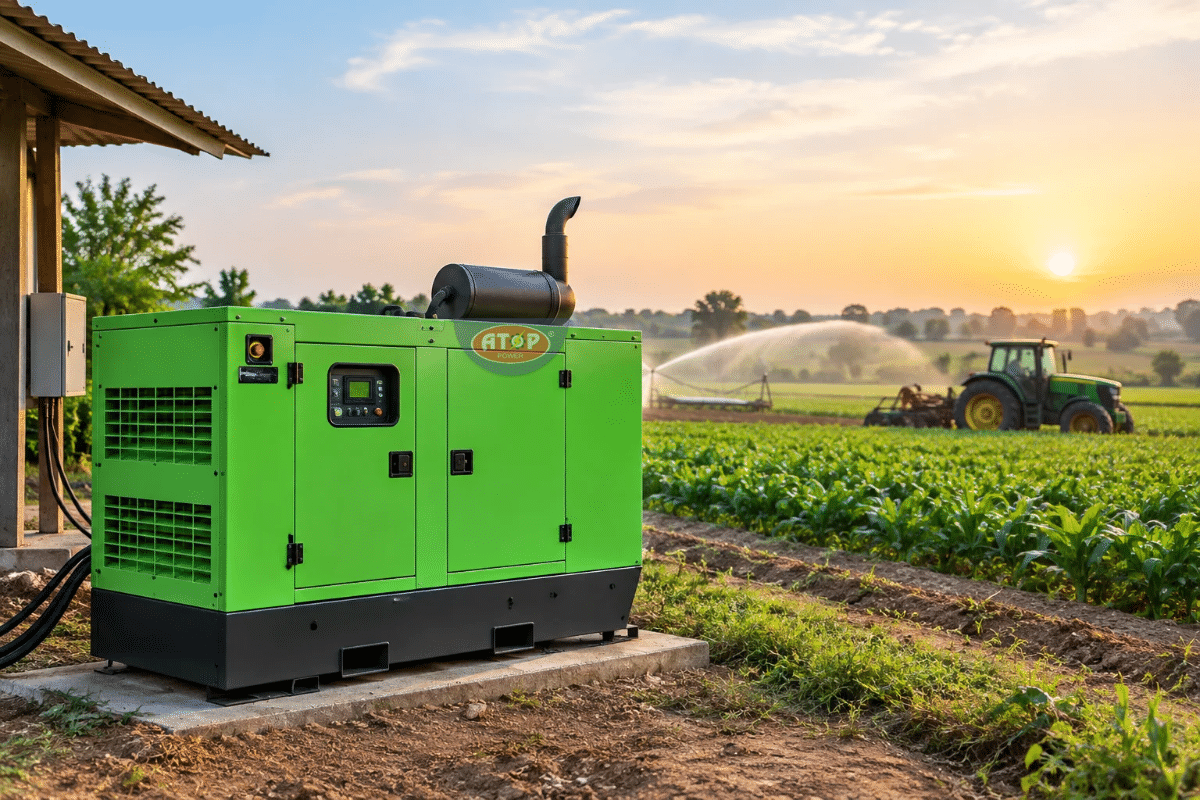
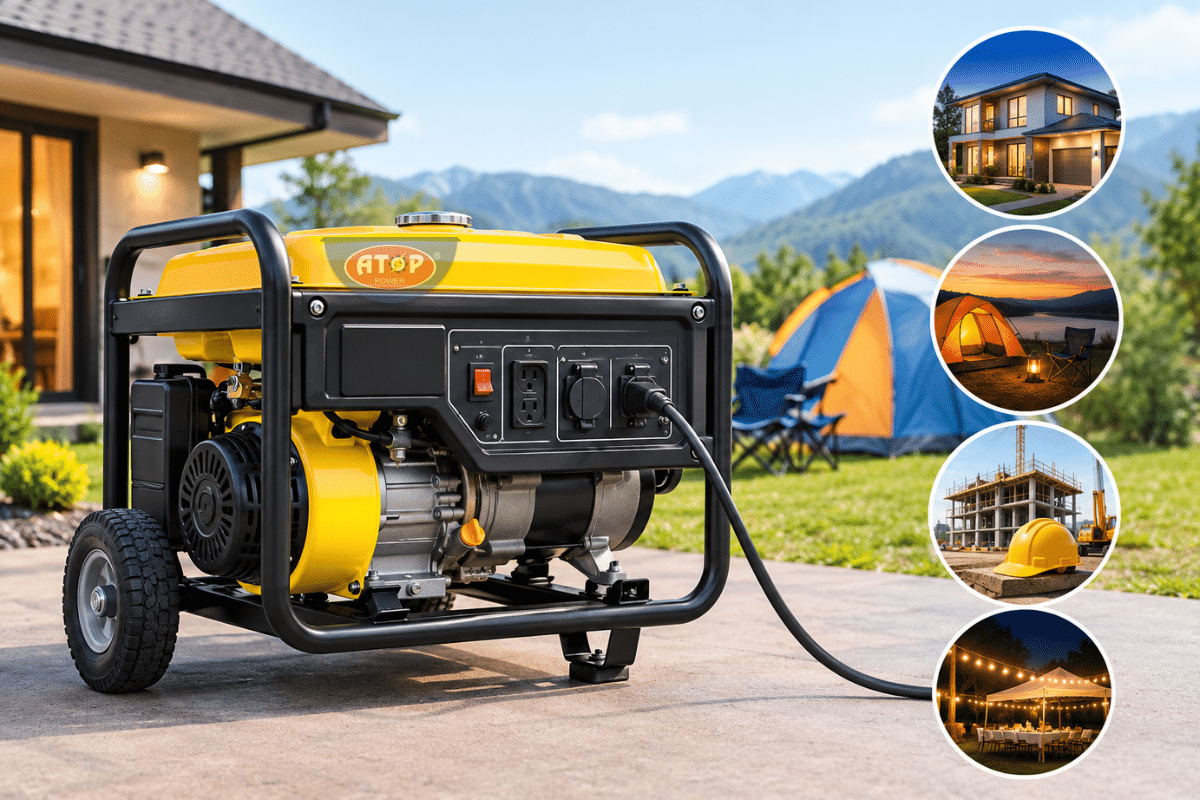
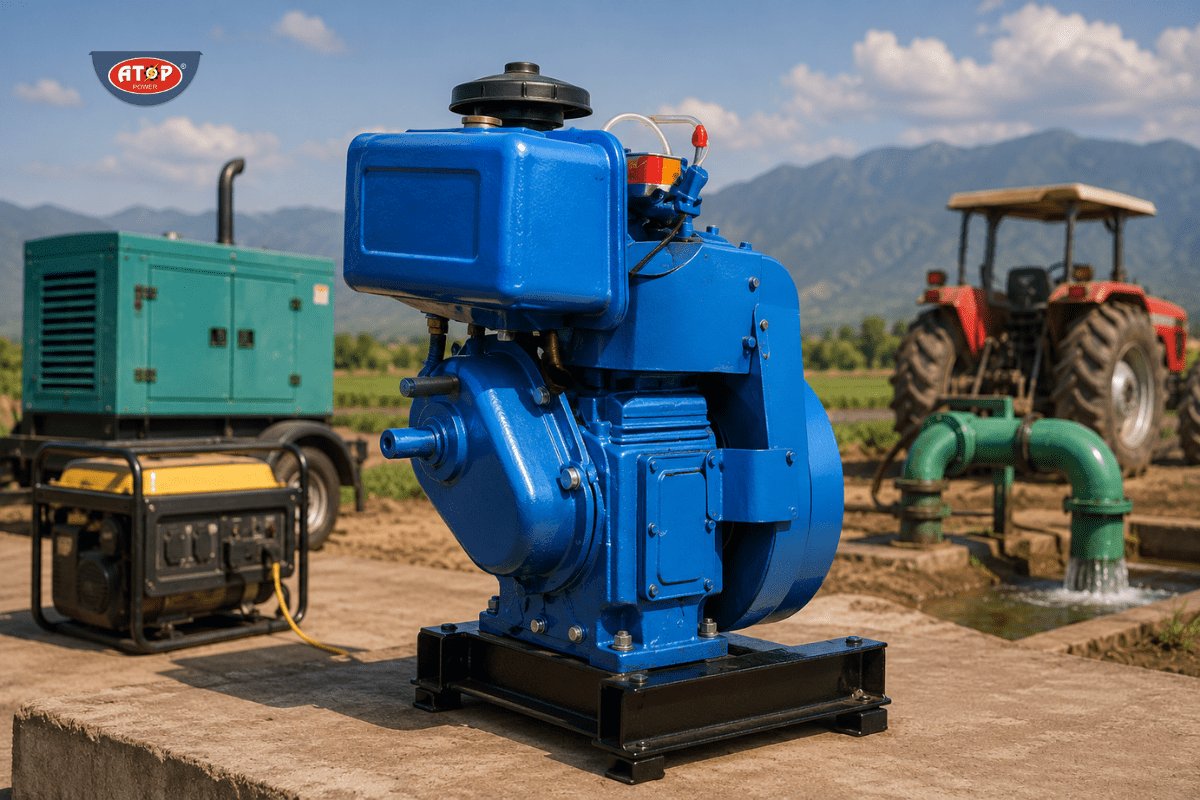
Good fits include standby and backup generators used occasionally, smaller agricultural machines, portable construction equipment, water pumps, and applications where simplicity and reliability matter more than raw output.
It starts to become the wrong choice when the engine needs to run hard for long stretches, when noise is a concern, when ambient temperatures are consistently high, or when the power requirement goes beyond what air cooling can realistically handle.
Explore our air cooled diesel engine for compact, low-maintenance backup power in homes, farms, workshops, and remote applications.
Pros and Cons at a Glance
| Air Cooled Diesel Engine | |
| Pros | Simple to maintain, lower cost, cold weather friendly, compact, fast warm-up |
| Cons | Struggles under sustained load, louder, sensitive to hot climates, limited power range |
A Few Common Questions
1. How long will an air cooled diesel engine last?
That depends heavily on how it’s used. Run within its limits and serviced regularly, a good air cooled diesel can clock up thousands of hours. Push it hard in hot conditions without proper care, and that timeline shortens considerably.
2. Can it overheat?
Yes. Blocked fins, poor ventilation, or running at high load in extreme heat are the main culprits. Keeping the fins clean and making sure there’s adequate airflow around the engine goes a long way.
3. Is it suitable for a generator?
For standby or occasional use, absolutely. For a generator that runs eight or more hours a day at high capacity, a water cooled engine is the more sensible long-term investment.
4. Are they still widely available?
Very much so. Air cooled diesel engines are standard across a huge range of smaller generator sets, agricultural machinery, and portable equipment worldwide.
5. Which is cheaper to keep running?
Air cooled, generally. No coolant system means fewer scheduled services, fewer parts to replace, and lower overall maintenance costs over the years.