If you’ve been going back and forth on this decision, here’s the honest truth – it really comes down to one thing: how the engine sheds heat. That single difference ends up shaping the cost, the upkeep schedule, and where each type actually belongs.
Think of a small workshop owner who needs backup power but doesn’t have the space or budget for a full coolant setup. Once you sit down and map out your actual runtime needs, the choice usually becomes clearer than you’d expect.
So What’s the Real Difference?
At the most basic level, these two types part ways on the cooling method.
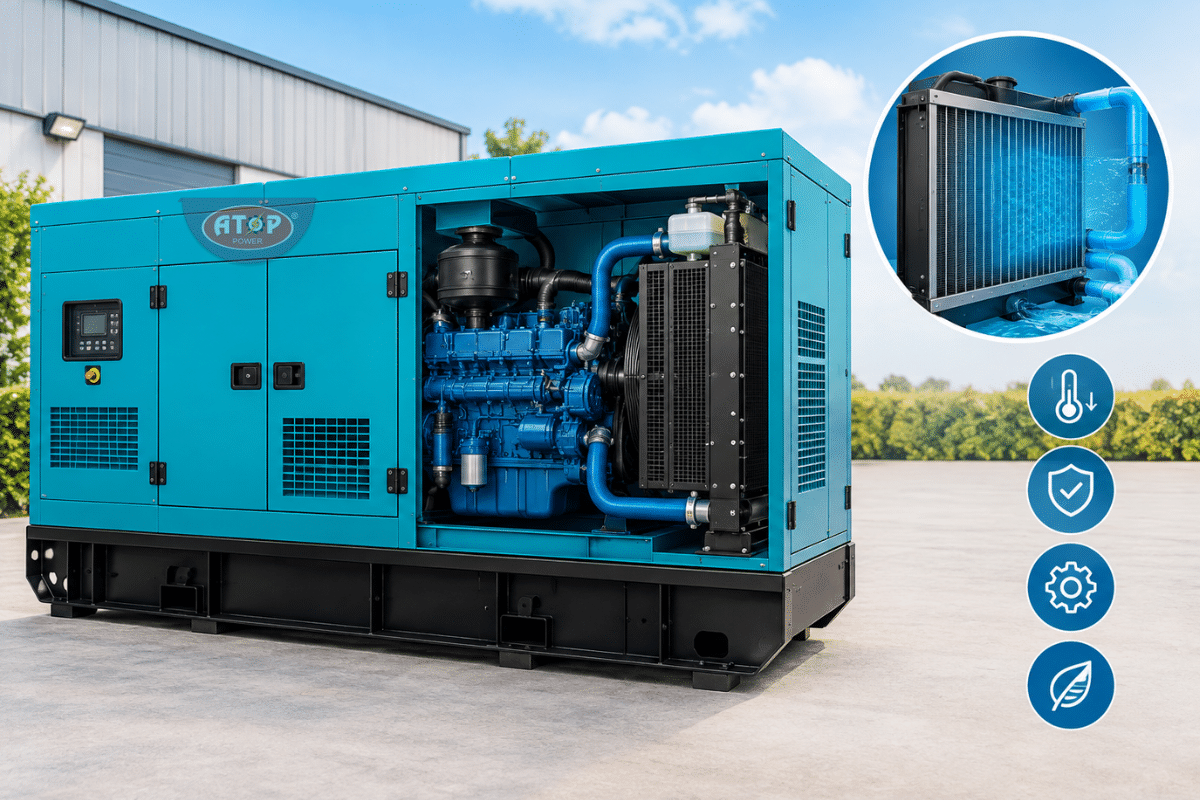
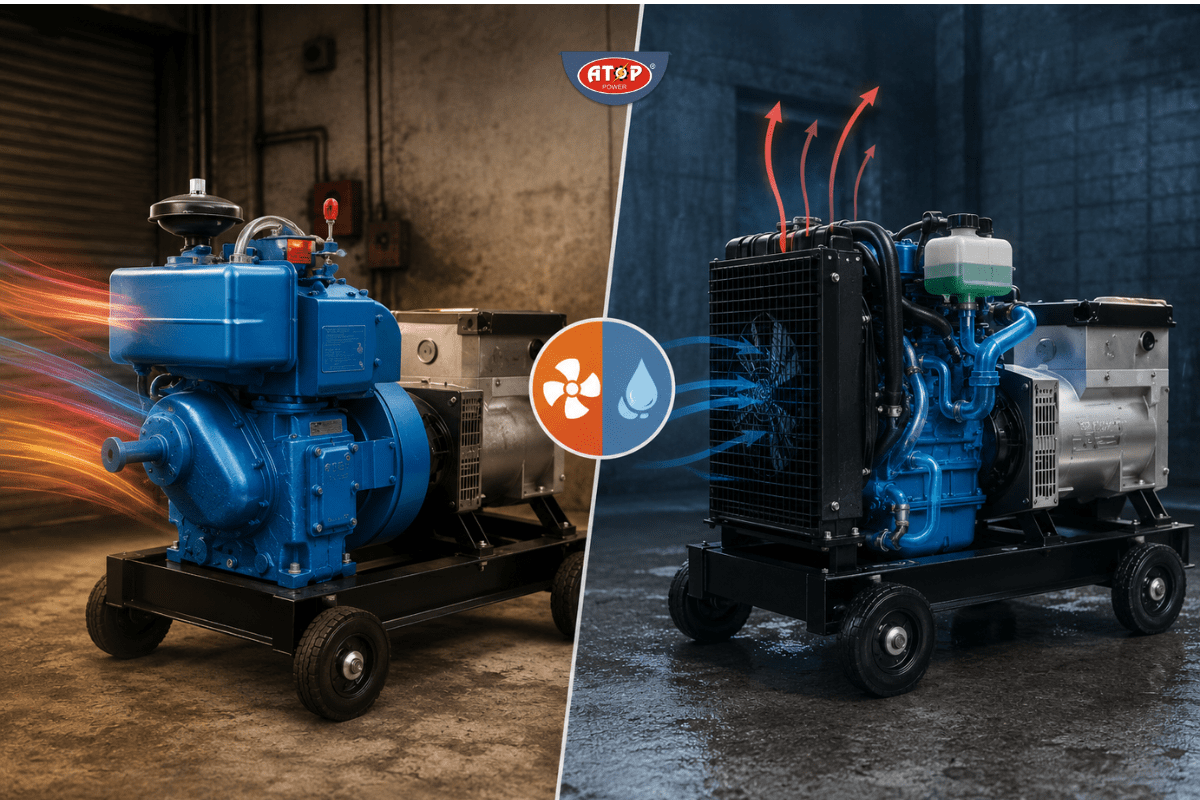
An air cooled generator uses a fan to push air across the engine’s cylinder fins. Heat leaves through direct metal contact – no liquid involved. A water cooled unit works more like your car engine: coolant circulates around the block, picks up heat, runs through a radiator, and loops back around again.
That’s it. But that one mechanical difference explains almost everything else about how these machines behave.
Why Does This Comparison Even Matter?
Because getting it wrong tends to show up later – usually as an overheating problem you didn’t see coming, a maintenance bill that felt unnecessarily steep, or a system that was just more complicated than your situation ever called for.
A generator that only kicks on a few times a year doesn’t need a water cooled system’s added complexity. But if you’re running heavy loads continuously? Air cooling can genuinely struggle to keep up, since heat builds faster than fins and airflow can realistically handle over long stretches.
How the Cooling Actually Works
Air cooled engines pull in ambient air and move it across the fins. Simple, direct, no extra parts.
Water cooled engines run a closed loop – coolant absorbs heat from the engine, travels to the radiator where it releases that heat, then cycles back to do it again. More components, but far better at handling sustained thermal load.
Side-by-Side Comparison
| Factor | Air Cooled | Water Cooled |
| Cooling Method | Fan + fins | Coolant loop with radiator |
| Best For | Short, occasional use | Continuous, heavy-duty operation |
| Maintenance | Simpler, fewer parts to worry about | More involved – coolant checks, radiator upkeep |
| Noise | Slightly louder | Generally quieter |
| Upfront Cost | Lower | Higher |
| Long-Term Durability | Good under light to moderate use | Better suited for sustained, demanding loads |
Once you factor in your actual usage patterns, this table usually makes the call for you.
Which Applications Fit Each Type?
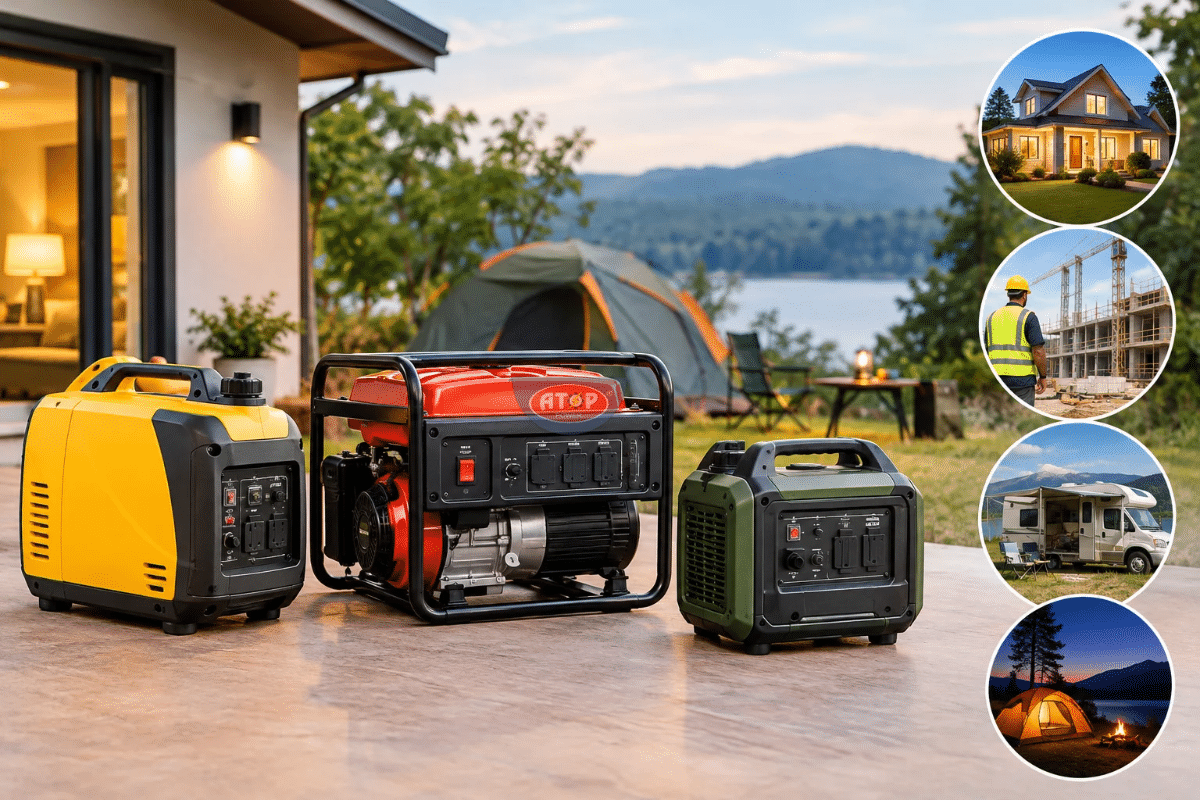
Air cooled units are a solid fit for:
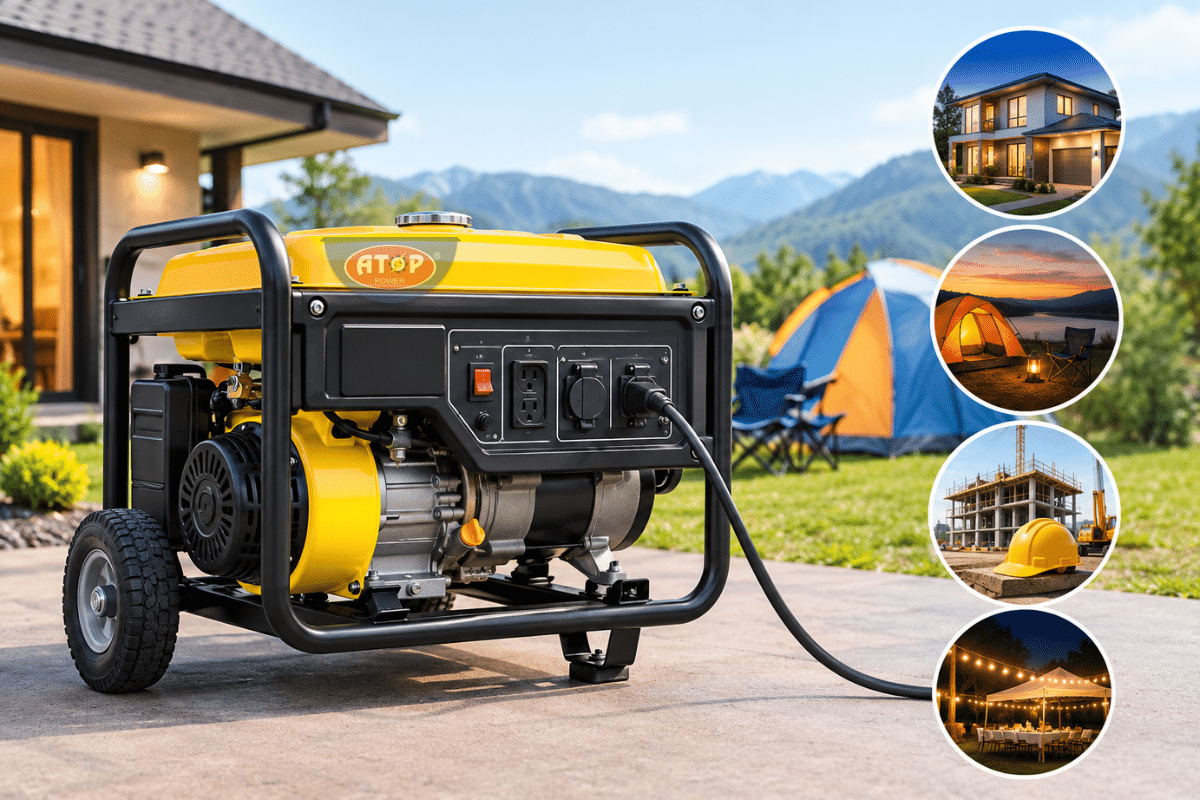
- Homes and small offices needing occasional backup
- Workshops or job sites with intermittent power needs
- Lower capacity requirements where simplicity matters
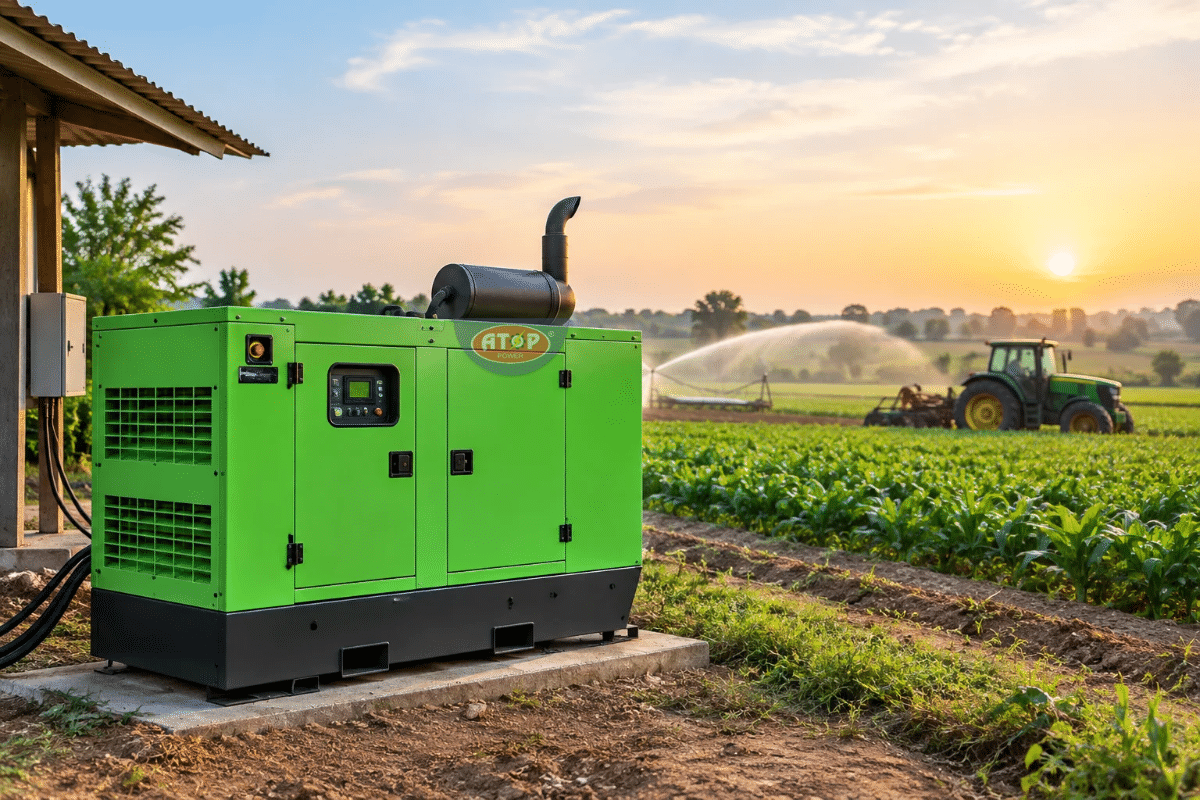
Water-cooled units make more sense for:
- Factories, hospitals, data centers – anywhere a power drop isn’t acceptable
- Operations running generators for extended periods
- Higher capacity, industrial-grade setups
What Maintenance Actually Looks Like
This is where the two types feel noticeably different in day-to-day ownership.
Air cooled generators are straightforward – keep the fins clean, check the fan occasionally, and you’re mostly covered. Maintenance costs over the years tend to stay low.
Water cooled generators need a bit more attention. Coolant levels need regular checking, the system needs periodic flushing, and the radiator should be inspected for leaks or blockages. It’s not complicated, but it does add steps that air cooled owners simply don’t deal with.
So Which One Should You Go With?
Honestly, it depends on three things: how long you’re running it, how critical uptime is, and what your budget looks like.
For occasional backup, lighter loads, or tighter budgets – an air cooled unit gets the job done without unnecessary complexity. For continuous operation, or in situations where downtime genuinely isn’t an option, a water cooled unit is the more reliable long-term investment, even with the extra maintenance it requires.
If you need simple, cost-effective backup power for homes, offices, and light-duty applications, explore our air cooled generator sets.
Quick FAQs
1. Which costs less upfront?
Air cooled units – they’re simpler to build and simpler to maintain.
2. Which handles continuous heavy use better?
Both have their pros and cons.
3. Do water cooled generators need more maintenance?
Yes – regular coolant checks and occasional radiator upkeep come with the territory.
4. Are air cooled generators noisier?
A bit. Fan-based cooling is inherently louder than a liquid system.
5. What works best for a home or small office?
An air cooled unit is almost always enough for smaller, occasional backup needs.